NOS Watch Parts: What They Are and Why Collectors Want Them
New Old Stock parts are the holy grail of watch restoration — original manufacturer components that were produced decades ago but never installed. Here's what makes them special and what to watch out for.
If you spend any time in watch forums or parts listings, you'll see three letters everywhere: NOS. New Old Stock. It's one of the most used — and most misused — terms in the watch parts market. Understanding what NOS actually means, why it matters, and how to evaluate NOS parts will save you money and protect you from disappointment.
At ChronoShop, a significant portion of our inventory is genuine NOS. Here's what we've learned from sourcing and selling thousands of these parts.
What NOS Actually Means
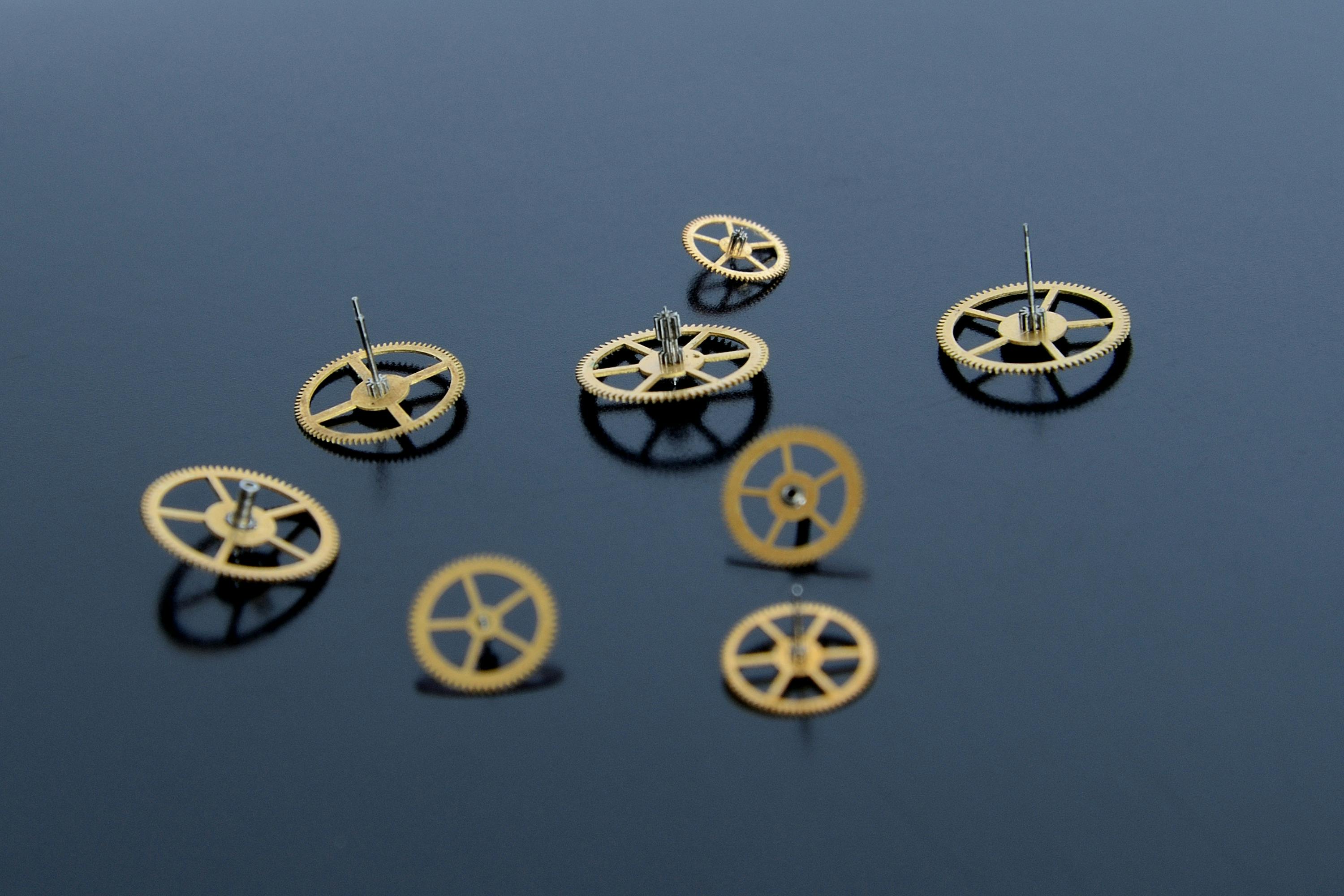
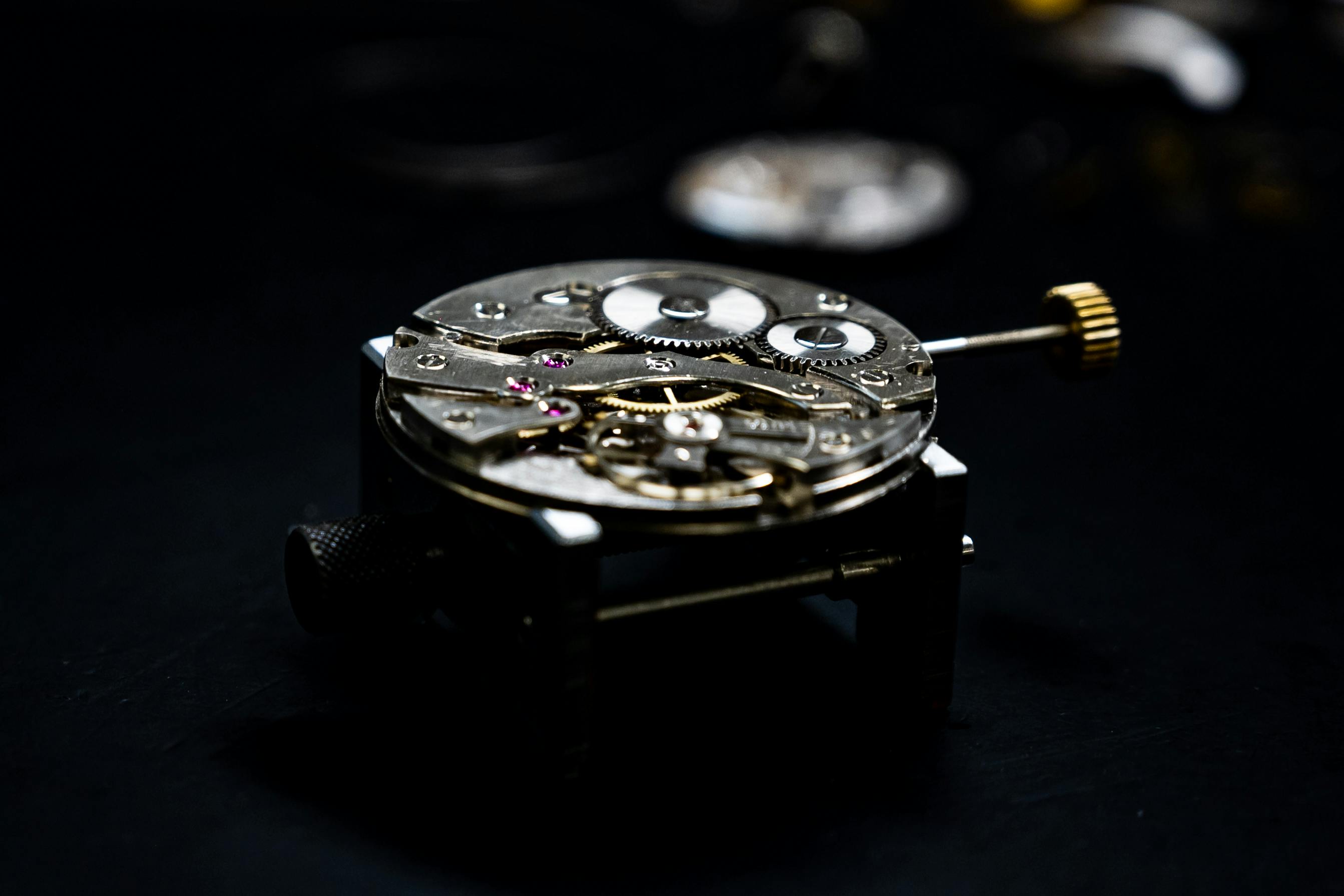
New Old Stock means exactly what it says: parts that are new (never installed, never used) but old (produced years or decades ago). These are original manufacturer components — dials, hands, crowns, crystals, movements, straps — that were made for watches but never ended up in one.
How does this happen? Manufacturers produce parts in batches larger than immediate demand. Authorized service centers stock replacement parts that never get used before a model is discontinued. Dealers accumulate inventory. Distributors close down. The result: genuine, unused parts sitting in drawers, warehouses, and stockrooms for 10, 20, sometimes 50 years.
The key distinction: NOS parts are genuine manufacturer originals. They're not reproductions made to look old. They're not aftermarket alternatives. They're the real thing, just never installed.
Why NOS Parts Command a Premium
For collectors restoring a vintage watch to its original specification, NOS parts are irreplaceable. A used dial might have fading, scratches, or moisture damage. An aftermarket dial might have the wrong font, wrong color, or wrong lume. But a NOS dial? It's exactly what the factory produced, in the condition it left the production line.
This matters most for:
Dials and hands — these define the face of a watch. A correct-period NOS dial can be the difference between a proper restoration and a frankenwatch. Lume color, text printing, finishing — all match the original specification.
Crystals and bezels — correct-period crystals (especially acrylic ones for vintage watches) are increasingly hard to find. NOS crystals have the right profile, the right thickness, and the right markings.
Crowns and pushers — a wrong crown immediately looks off. NOS crowns have the correct logo stamping, dimensions, and threading for the specific reference.
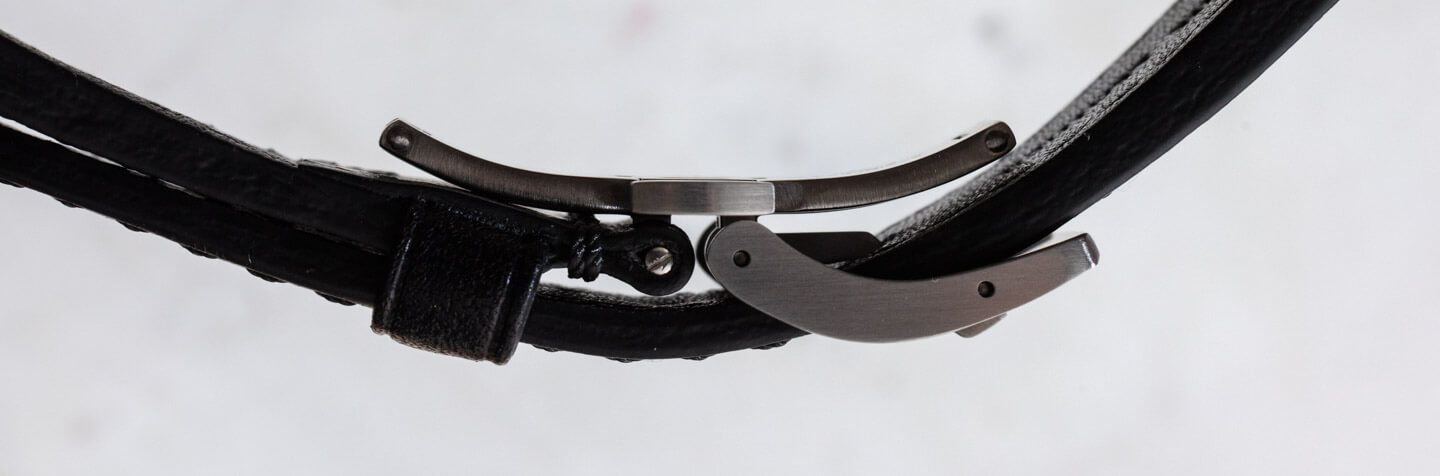
Straps and bracelets — vintage leather straps and original-spec rubber straps are highly sought after, especially for sport watches from the 1960s and 70s.
Signs of Age vs. Signs of Use
Here's where it gets nuanced. NOS parts are old, and old things age — even when they're unused. This doesn't make them fake or less valuable, but you should know what to expect:
Lume aging: Tritium and radium lume on NOS dials and hands will change color over time regardless of use. A NOS dial from the 1970s will have cream or yellow-tinted lume plots, not the bright white they were when new. This is normal and expected — some collectors actually prefer it.
Metal patina: Stainless steel parts may develop light surface oxidation. Gold-plated parts may show slight tone changes. Crown tubes and case tubes may have minor tarnishing. All normal for unused parts stored for decades.
Rubber and leather: NOS rubber straps from the 1970s or 80s may have hardened or developed surface cracking. NOS leather straps may have dried out. These parts are still genuine and unused, but material degradation over decades is unavoidable.
What's NOT acceptable for NOS: Scratches on cases or crystals. Wear marks on crown logos. Sweat stains on straps. Fingerprints or oils on movement plates. These are signs of use, not age — and a part with these marks isn't NOS, no matter what the seller claims.
How We Source NOS Parts
Our NOS inventory comes from several channels:
Closed service centers: When an authorized service center closes or discontinues support for older references, their remaining parts stock enters the secondary market. These are some of the most reliable NOS sources because the parts have documented provenance.
Dealer liquidations: Watch dealers who accumulated inventory over decades sometimes sell their parts stock. We've acquired entire collections of unused crowns, crystals, and straps from retired dealers in Switzerland and Germany.
Estate collections: Watchmakers and collectors who spent decades accumulating parts. When these collections come to market, they often contain NOS parts that haven't been available for years.
Direct manufacturer overstock: Occasionally, we source parts directly from manufacturers clearing discontinued inventory. These come in original packaging with part numbers — the gold standard.
Buying NOS: What to Look For
Photography matters: Detailed, well-lit photos are essential. You should be able to see the condition of surfaces, lume color, text quality, and any signs of aging. We photograph every NOS part from multiple angles specifically for this reason.
Honest descriptions: A trustworthy seller will note any signs of age — lume discoloration, light patina, storage marks. If a listing for a 40-year-old "NOS" part describes it as "perfect" with no caveats, be skeptical.
Reference numbers: Genuine NOS parts can usually be verified by their reference or part numbers. Cross-reference with manufacturer databases or community resources.
Return policies: Any seller confident in their NOS claims should offer returns. At ChronoShop, every part we sell can be returned if it doesn't match our description.
Our Approach
We describe every part honestly. NOS means NOS — never installed, never used. If a part shows age-related changes (and most vintage NOS parts do), we note them in the listing. If we're not 100% certain a part is unused, we list it as "excellent condition" or "like new" instead of NOS.
Browse our current NOS inventory or contact us if you're looking for a specific part — we may have it in stock or be able to source it.